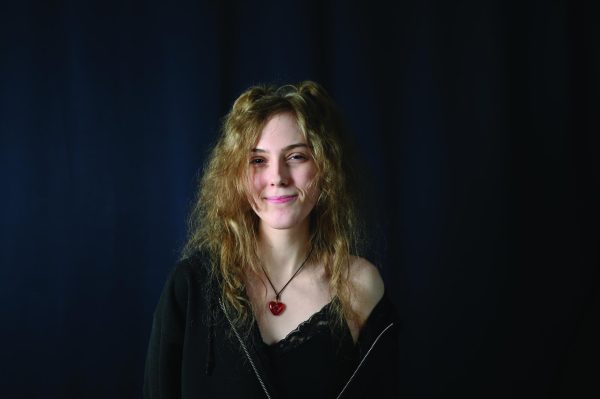
The pressure to always make things right is something junior Jessica Mitchell has to experience every day. “It’s more of an internal feeling that kind of clicks when something is right,” Mitchell said.
As there can be common misconceptions about OCD, Mitchell believes people think in the common stereotype of someone with OCD. “[How] there’s only one type of OCD, and how OCD is strict, I have to have my room cleaned at all times, or it’s just having the ‘right’ OCD,” Mitchell said.
There can be a lot of things people don’t notice about people with neurodivergencies, whether that’s a small hyperfixation or, in Mitchell’s case, driving on speed bumps. Mitchell said, “It makes a little bump on one side of your car. And for me, I feel like I have to swerve a little bit. Or I have to pay attention to what bumps are on the other side of the road to make it even.”
Having OCD can feel different for those who have it versus people who don’t.
“It’s an internal pressure that your mind tells you to do something, or you have a feeling of unease, or intrusive thoughts that make you feel uneasy… It’s the way I hold my hands, position my feet, or bounce my leg up and down,” Mitchell said.
To others, Mitchell’s OCD may seem invisible, but when discussed, it becomes more than just a diagnosis.
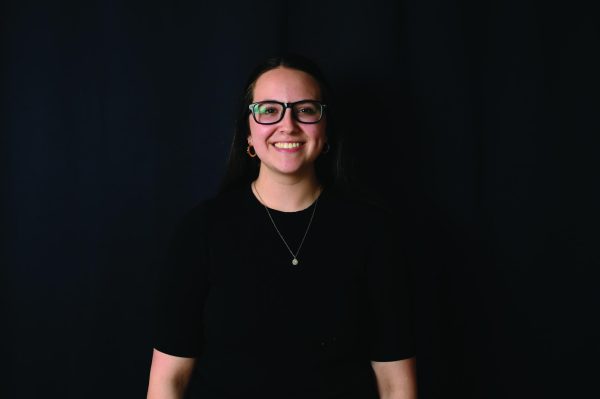
Diagnosed with ADHD just last year, and autism when she was eight years old, junior Maddy Schosha can thrive through both neurodivergencies, doing what she loves and improving small tasks every day.
“I remember, especially when I was younger, I struggled a lot talking to anyone because it would make me anxious. As I got older, I tend to self-script, where I’ll be running possible things I can say through my head because [without it], I’ll have a stream of consciousness going on,” she said.
Something that appears to others and means different to Schoshay is her facial expressions. “My facial expressions, I have to think about more. I think it’s very easy for people to think that I’m uninterested or unengaged, but that’s not the case. So, I’m trying to get better about not thinking about it subconsciously,” she said.
The way Maddy enters a new hobby is all or nothing, either enjoying the hobby or disliking it. “I tend to get very all or nothing, where I’ll get into something, and I’ll get really into it until it starts to takeover things.” Despite the challenges Schosha endures with her neurodivergencies, she continues to learn more about herself every day.
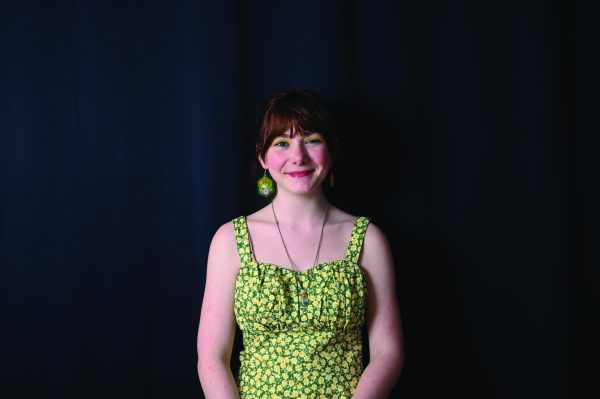
Junior Isabella Fisher would describe autism as something that wouldn’t impact her a lot, but could have a large impact on others. “It can really make schooling, [and] socializing difficult…[I wish people knew that] people on the spectrum need more patience than others,” she said.
Isabella feels she has strengths that come with having autism. “It helps me remember a lot of things, like birthdays or subjects in school,” she said.
When it comes to challenges, Fisher struggles with sensory issues. She said, “If itgets too loud sometimes, or if there are certain textures I just can’t manage it, and it makes it hard to do things.” Even though Fisher feels some struggles come with her autism, she still manages to make interactions with the people around her as normal to her as possible. Fisher said, “I have a lot of fun diving into shows and hobbies with friends, we have the same interests that can go on and on.”